Description
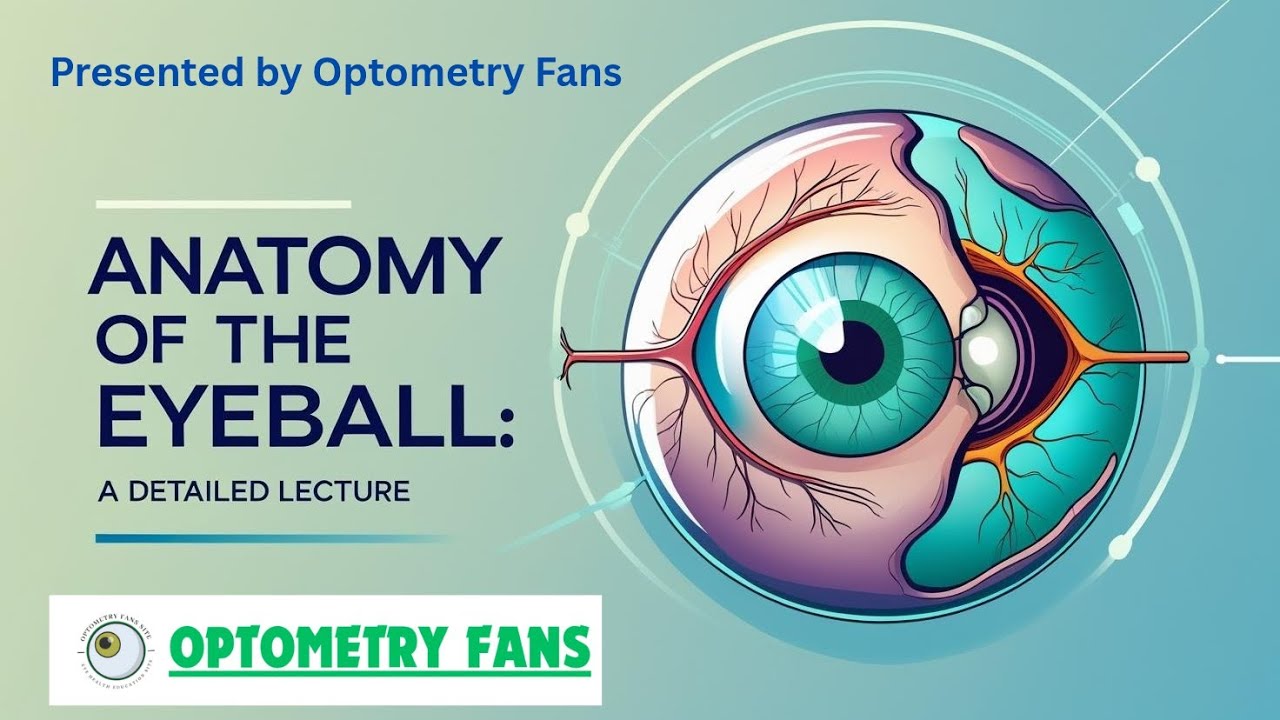
The Ocular Anatomy & Physiology Course is a complete, structured learning program designed specially for optometry, ophthalmic technician, and vision science students. This course explains the detailed structure and function of the human eye, from the outer protective layers to the internal visual pathways.
With clear diagrams, clinical correlations, and topic-wise explanations, this course helps students build a strong foundational understanding essential for refraction, pathology, ocular diseases, and clinical practice.
This course is ideal for DHA/HAAD/MOH exam preparation, optometry government exams, BSc optometry, and diploma optometry learners.
Course Objectives
-
Understand the anatomy of all parts of the eye
-
Learn the physiology of vision, accommodation, and color perception
-
Study the ocular adnexa (eyelids, lacrimal system, orbit)
-
Learn clinical correlations relevant for diagnosis & practice
-
Build strong basics required for refraction & ophthalmic procedures
Topics Covered
Module 1: Introduction to the Eye
-
Gross anatomy of the eye
-
Ocular layers & ocular coats
-
Visual pathway overview
Module 2: Ocular Adnexa
-
Eyelids & glands
-
Conjunctiva
-
Lacrimal apparatus
-
Orbit anatomy
Module 3: Anterior Segment
-
Cornea: layers & functions
-
Anterior chamber
-
Iris & pupil physiology
-
Ciliary body & aqueous humor dynamics
-
Lens & accommodation
Module 4: Posterior Segment
-
Vitreous body
-
Retina: layers, photoreceptors, macula
-
Physiology of vision
-
Dark & light adaptation
-
Visual fields
Module 5: Optic Nerve & Visual Pathway
-
Optic nerve
-
Chiasma
-
Tracts
-
Radiations & Visual Cortex
Module 6: Systemic Physiology Related to Eye
-
Tear film physiology
-
Extraocular muscles & ocular motility
-
Color vision physiology
-
Pupillary reflexes
👨⚕️ Who Should Join?
-
Optometry Students
-
Ophthalmic Assistants/Technicians
-
BSc Optometry
-
Diploma / Bachelor Optometry Students
-
DHA/HAAD/MOH Exam Candidates
-
Anyone preparing for Optometry Government Exams
Key Features
-
Easy-to-understand explanations
-
High-quality diagrams
-
Exam-oriented content
-
Clinical examples
-
Full syllabus coverage
-
Perfect for beginners